👉Spotlighting HR executives who are shaping the future of work, part of CFW Careers’ commitment to excellence in retained executive search, global executive search, and professional coaching.
Welcome to our HR Leaders in Focus blog series, where we feature conversations with HR executives shaping the future of work. These leaders share strategies, lessons learned, and insights on the evolving role HR plays in driving organizational success across industries.
At CFW Careers, we bring together the expertise of global executive search and the personalized guidance of professional coaching. Our dual practice allows us to support organizations in building strong leadership teams while helping individual leaders navigate transitions and accelerate their growth.
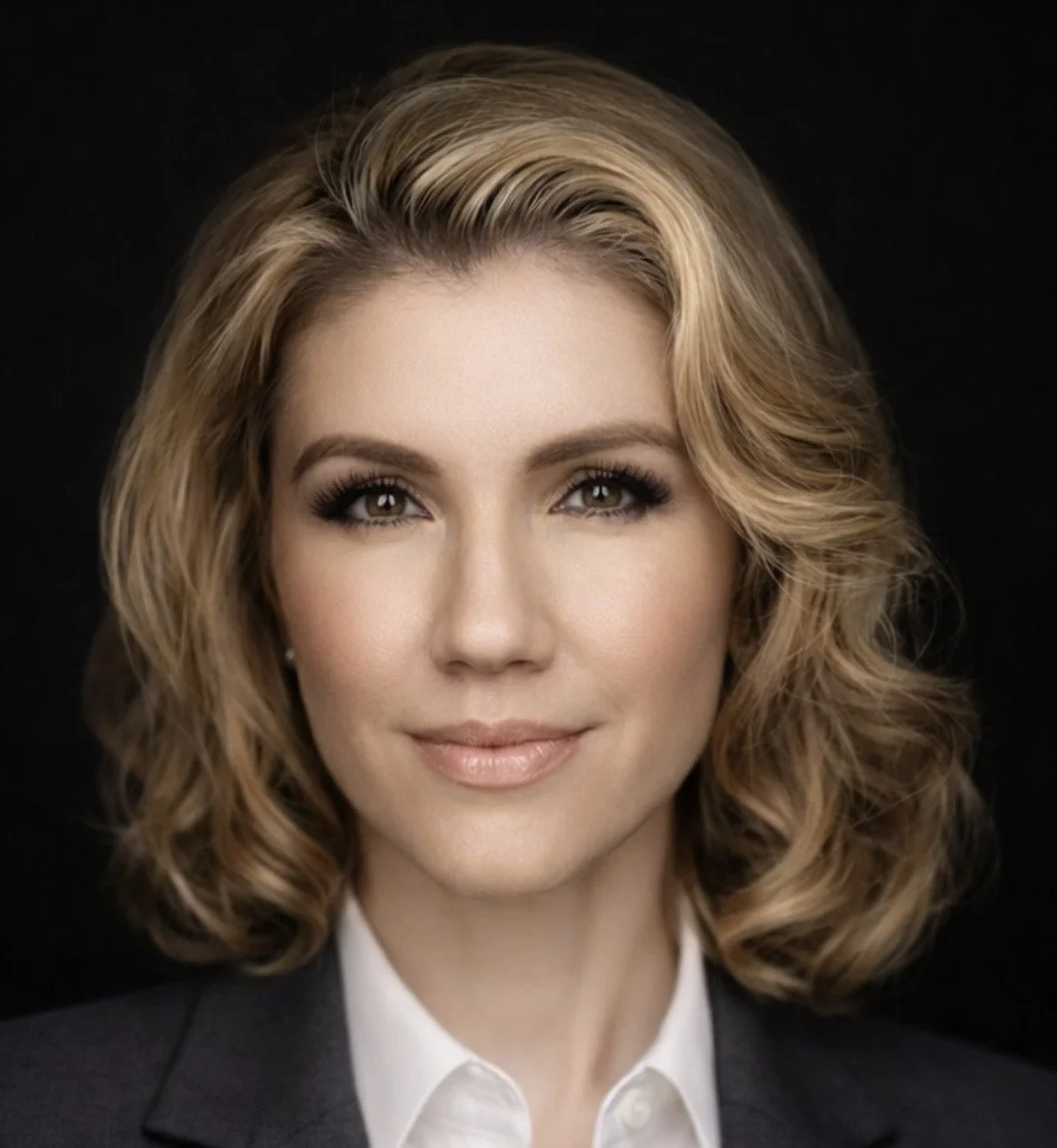
Stephanie Bonnet | PE/VC Chief Human Resources Officer
Cynnie: Today, we’re speaking with Stephanie Bonnet, a PE/VC Chief Human Resources Officer who has built and rebuilt HR functions across multiple organizations. Stephanie, thanks so much for joining us.
You’ve had such deep experience across scaling organizations, M&A, and high-growth environments. When you think about HR today, what does a truly effective HR team actually look like?
Stephanie: “Today” is the important word there because I think the expectations of HR have changed dramatically. A truly effective HR team today has to be business-first, data-driven, and tightly aligned with business outcomes. It’s not enough to operate as a support function anymore.
The focus has to be on the things that actually move the business: hiring velocity, quality of talent, leadership effectiveness, retention of top performers, and performance accountability.
I also think HR has to stay lean. The function should influence productivity and growth, not become overly process-heavy. The best HR teams are proactive partners to the business, not reactive administrators.
That requires technology, automation, and real-time insights so leadership can make faster, smarter decisions. It also requires discipline around execution and prioritization. Not every problem needs a new program or policy.
Cynnie: I really like that distinction between “doing HR work” and actually driving business outcomes. Sometimes organizations confuse activity with impact.
Stephanie: Exactly. The question should always be: what impact is this creating? When HR is functioning well, you feel it across the organization. Attrition decreases, productivity improves, managers feel more supported, and leadership has better visibility into what’s happening in the business.
The role of HR is really to create small interventions that lead to larger organizational impact.
Cynnie: You’ve also worked through more than 30 M&A transactions, which is such a unique lens into leadership and organizational change. What have those experiences taught you about bringing people, culture, and structure together successfully?
Stephanie: M&A environments teach you very quickly that speed and clarity matter. Early in my career, employees were often coming to me because they didn’t even know who to talk to during organizational change. There was confusion everywhere.
What I learned is that HR should not come in at the end of the process. Getting HR involved earlier actually saves money and makes change far more efficient.
You have to align leadership quickly around decision-making, compensation, performance expectations, and structure. Otherwise complexity compounds, and everything slows down.
But culture is equally important. You cannot force alignment if people don’t feel heard or respected throughout the process. The best integrations preserve what makes teams successful locally while creating a shared vision moving forward.
At the end of the day, successful integrations are less about programs and more about leadership alignment and accountability.
Cynnie: That idea of balancing structure with humanity feels especially relevant right now.
Stephanie: Absolutely. Especially because people can tell when change is happening “to” them versus with them.
Cynnie: One thing that stood out to me was your use of the phrase “AI-native.” We don’t hear many HR leaders describe themselves that way. What does that mindset look like in practice?
Stephanie: For me, being AI-native means using technology to simplify and accelerate decision-making, not add more complexity.
The real opportunity is automating repetitive workflows like recruiting, onboarding, reporting, and giving leaders access to real-time visibility into hiring, retention, and productivity.
I think a lot of organizations either over-engineer AI solutions or avoid them completely. The best use cases are practical, high-ROI applications that improve speed and decision-making without creating unnecessary layers.
And honestly, I don’t think AI is taking people’s jobs. I think people who know how to use AI will replace those who don’t.
The best HR leaders right now are encouraging their teams to experiment, learn, and adapt. Otherwise HR risks becoming siloed and disconnected from the business during a period of massive technological change.
Cynnie: That perspective feels very grounded compared to some of the fear-based conversations happening around AI.
Stephanie: I try to stay practical about it. Technology can help us navigate ambiguity faster and with more clarity, but there still needs to be human judgment involved. We also have to stay mindful around data privacy and risk.
Cynnie: I want to zoom out for a moment because there’s always conversation around HR “having a seat at the table.” But I think what you’re describing goes far beyond proximity to leadership. When HR is truly operating as a strategic partner alongside a CEO and CFO, what does that actually look like?
Stephanie: True partnership is shared ownership of business outcomes.
You’re not sitting on the sidelines advising after decisions are made. You’re actively shaping decisions around headcount strategy, organizational design, productivity, and cost efficiency.
The conversations are grounded in business performance and data, not just people processes.
For HR, that means translating talent into measurable business impact. Linking hiring, retention, leadership, and productivity directly to revenue, margin, and risk.
Ultimately, it means operating as a peer within the leadership team, focused on outcomes.
Cynnie: Throughout your career, you've led through growth, change, and transformation across a variety of organizations. Any final thoughts?
Stephanie: I really enjoy connecting with other leaders, mentoring, coaching, and exchanging ideas. I think the best solutions come from staying curious, challenging assumptions, and being willing to evolve instead of becoming too rigid in how we think about leadership and business.
Cynnie: Stephanie, thank you so much for joining us.
At CFW Careers, as a firm specializing in retained executive search, we know that placing the right leaders in the right roles creates impact that lasts well beyond the hire. This series reflects our commitment to spotlighting the voices of HR leaders who are advancing the profession and shaping workplaces of the future.