👉Spotlighting HR executives who are shaping the future of work, part of CFW Careers’ commitment to excellence in retained executive search, global executive search, and professional coaching.
Welcome to our HR Leaders in Focus blog series, where we feature conversations with HR executives shaping the future of work. These leaders share strategies, lessons learned, and insights on the evolving role HR plays in driving organizational success across industries.
At CFW Careers, we bring together the expertise of global executive search and the personalized guidance of professional coaching. Our dual practice allows us to support organizations in building strong leadership teams while helping individual leaders navigate transitions and accelerate their growth.
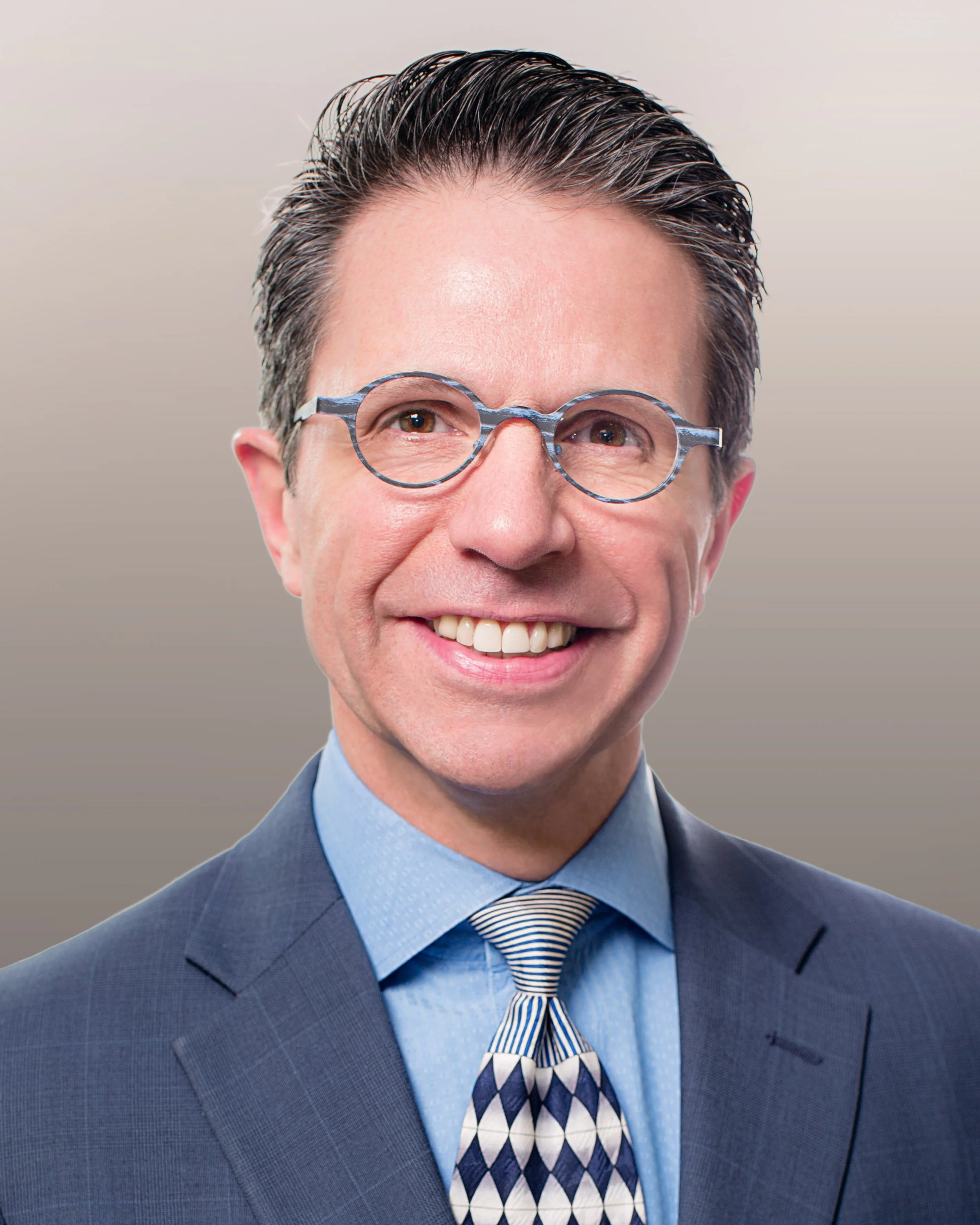
Claudio Diaz
Today we are talking with Claudio Diaz, an experienced CHRO who has scaled teams at companies of all sizes. In addition to his track record of success at Walt Disney World, Claudio has helped CEOs in 4 different industries achieve their growth targets while building effective and accountable HR infrastructures.
Claudio, thanks for joining us. To start, could you share which leadership assessments or development strategies have you found most impactful in identifying and nurturing leaders within your organization?
Begin with a proven recruiting tool, like Predictive Index, to assess a leader’s natural strengths and ensure a right fit for the role. For executives, consider an assessment center (not just online psychometric and cognitive tests) to observe a candidate’s real-time competence in strategy, emotional intelligence, problem solving and dealing with ambiguity and difficult people/situations. The Center for Creative Leadership (CCL) and many executive recruiting firms have facilities to support this real-time analysis. I understand that your firm, CFW, has a robust Leadership Assessment as well.
We do! And we build in multiple assessments for comprehensive leadership insights. From your perspective as a CHRO, what leadership qualities tend to go unseen or undervalued, and how do you help emerging leaders recognize and develop them?
The 3 hidden competencies I coach most leaders on are Humility, Intellectual Curiosity, and Connection through Custom Service. Humility is easy to spot: looking in the mirror by proactively seeking feedback, the ability to say “I’m sorry,” listening before speaking, casting praise versus seeking recognition, and any “others-centric” behavior.
Intellectual curiosity manifests itself in question to statement ratio (asking “what if” questions, seeking to understand before being understood, etc.), brainstorming to challenge the status quo, and voracious reading.
Connecting through Custom Service is treating everyone like a VIP (not Very Important Person, but Very Individual Person). “Custom” service is not customer service. Instead of pleasing others and using cookie cutter approaches, they make customized connections in every relationship (client, direct report, peer, supplier, etc.) through the empathy of a servant leader’s heart.
You’ve emphasized accountability as a missing link in many leadership equations—how do you cultivate accountability across your leadership teams and embed it into your organizational culture?
It’s actually very simple in theory: set expectations and then manage them. The downfalls in execution, however, are the following:
they are not clearly spelled out or communicated as visible behaviors and outcomes you can see through a lens or a balance sheet;
they are not immediately recognized and validated through glowing or growing feedback at specified intervals;
unclear consequences (positive and negative);
a lack or support of real time coaching;
legacy stakeholders (especially C-Suite) are exempt;
and insufficient motivation through poor reward processes (promotions, bonuses, etc.).
How do you ensure that leadership development programs and retention strategies deliver measurable impact on both team performance and overall business outcomes?
Pre- and post-evaluations are the most specific ways to identify gaps and ensure they are closed. Albeit time consuming, these assessments will set the expectation for improvement and then validate the expected results. Obviously, “one-size-fits-all” training is not the answer, so it’s imperative that each trainee create customized development plans during the training and then ensure they are executed with guidance from 2 committed parties: the “boss” and a compliance group (i.e., HR). These plans MUST be anchored in business outcomes derived by changes in behaviors and evaluated by business results in people, process and profit. (See “accountability” response above for more details.)
How can people connect with you and learn more about your work?
https://www.linkedin.com/in/claudiodiaz-sphr-shrm-scp/ and claudiojd326@gmail.com
At CFW Careers, as a firm specializing in retained executive search, we know that placing the right leaders in the right roles creates impact that lasts well beyond the hire. This series reflects our commitment to spotlighting the voices of HR leaders who are advancing the profession and shaping workplaces of the future.